This month's free training:
3 MISTAKES THAT KEEP LEADERS OVERLOOKED
From invisible to strategically significant in 30 minutes.

Confident Leadership.
Aligned Teams.
Sustainable Growth.
Leadership development, executive coaching, and confidential strategic support for leaders ready to align, decide, and move forward.
Conversation is easy. Clarity takes work.

Strategic Facilitation
High-impact facilitation to help misaligned teams or boards get clear, get focused, and move forward - without endless meetings, power struggles, or vague next steps.
Leadership Workshops
High-impact workshops and keynotes for all audience levels that deliver the strategies, decision-making, and mindset shifts of months of coaching - in 60 to 90 minutes.
OUR CORPORATE PROGRAMS ARE TRUSTED BY






















OUR RESULTS
We track client progress ensuring results are unmistakable and quantifiable.

Self-reported by participants of our 1:1 and group coaching programs based on their before and after Leadership Index results.
HOW WE HELP
Whether you need to align your team, guide your board, or grow as a leader, each solution is designed to deliver focused progress without overwhelm or unnecessary extras.
An 8 -week strategic intervention for healthcare and human-centered organizations who want to support struggling leaders to stabilize leadership performance, rebuild trust, and restore organizational confidence.
This 90-day, strategy-first executive coaching engagement is designed for high-performing leaders who want to stop reacting, start leading with intention, and see visible results every week.
Strategic Facilitation
High-impact facilitation to help misaligned teams or boards get clear, get focused, and move forward - without endless meetings, power struggles, or vague next steps.
Leadership Workshops
High-impact workshops and keynotes for all audience levels that deliver the strategies, decision-making, and mindset shifts of months of coaching - in 60 to 90 minutes.
Not sure where to begin?
Start with a conversation.
WHAT COACHING CLIENTS SAY
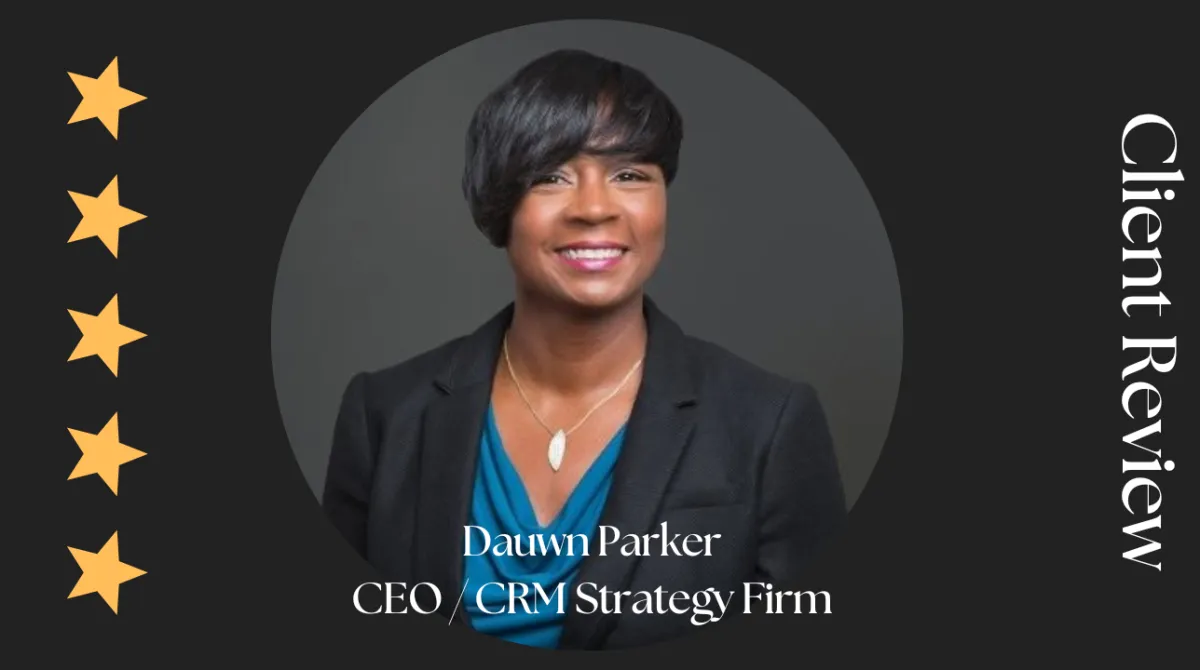
"Leading my business
with clarity"
I went from a limited pipeline to signed deals and a clear strategic direction. I’m no longer in survival mode - I’m leading my business with focus and relief for the future.


"Confidence and visibility
transformed my career"
Asia helped me face fears I’d avoided for years - from public speaking to building my personal brand. She tailored the process to my goals, helping me grow in confidence and visibility as an executive.
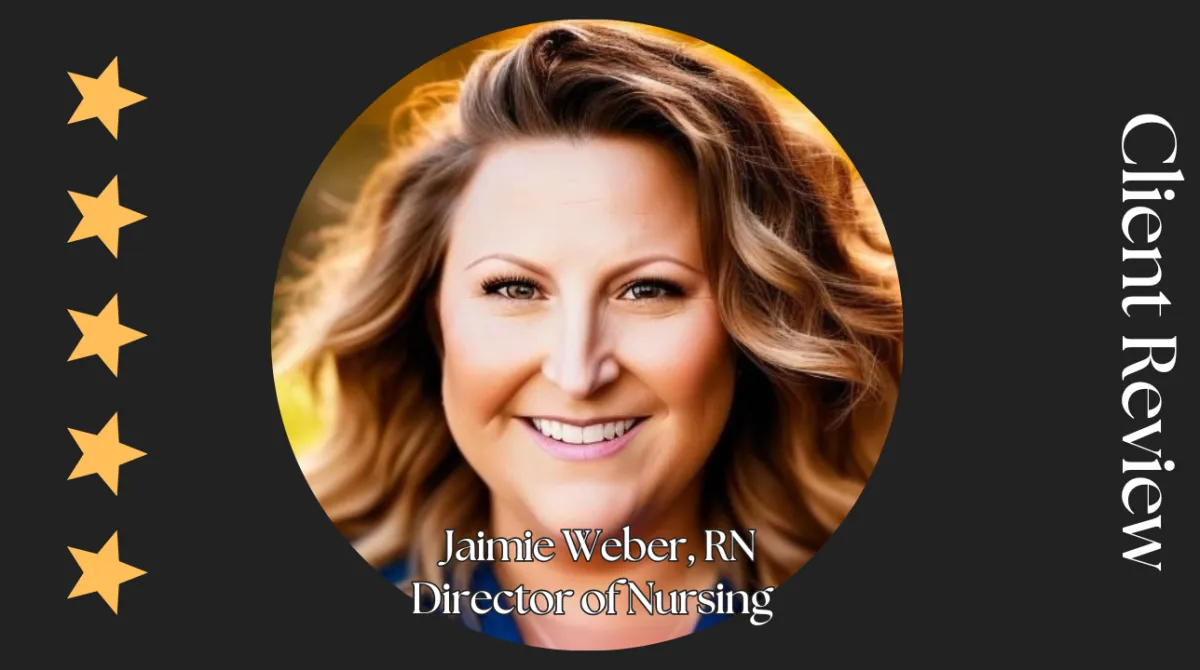
"Immediate trust
and insight"
Within minutes of our consultation, I knew Asia was the coach for me. Her warmth, insight, and professionalism made it clear I could trust her guidance.
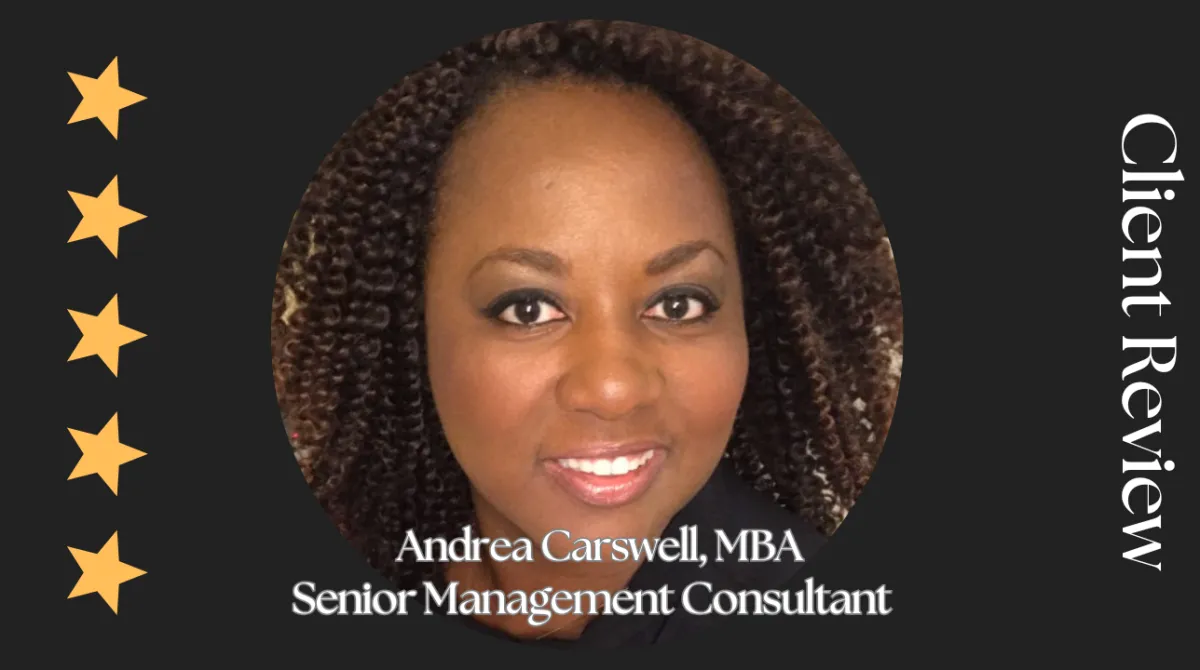
"A complete career
transformation"
I stepped out of my comfort zone, built relationships I never would have before, and landed a senior role I love. The intentional focus completely shifted my confidence.
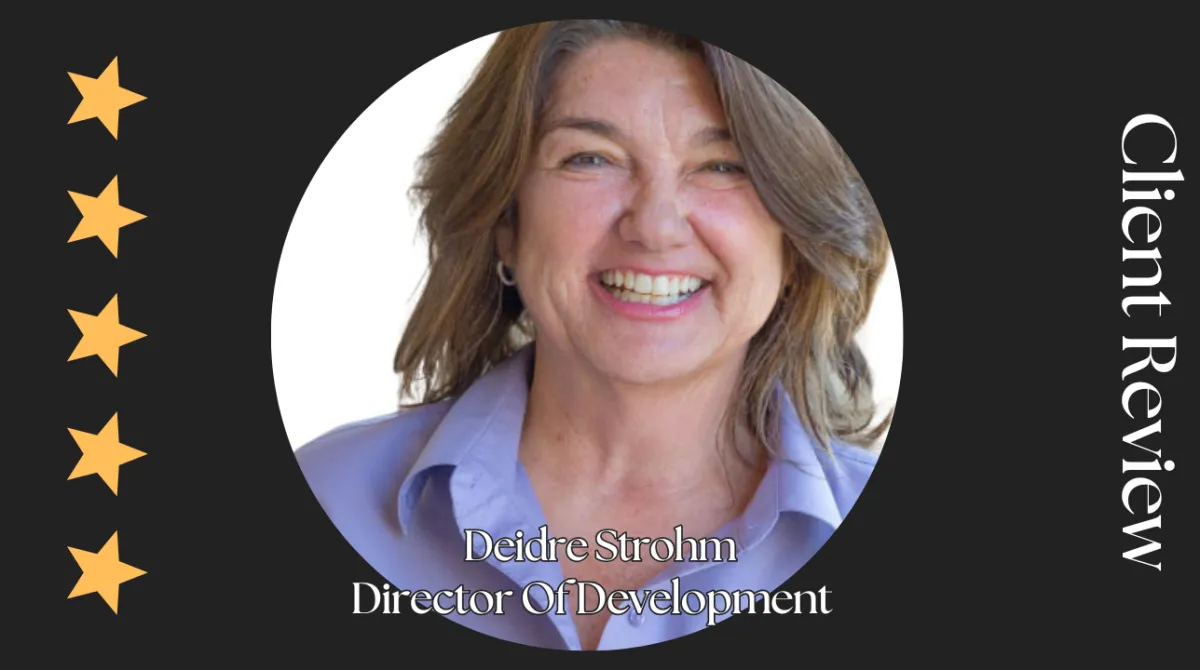
"Hearing my own
voice clearly"
Asia’s coaching changed how I hear myself. She doesn’t hand you answers - she helps you find your own voice and clarity. That shifted how I lead and make decisions.
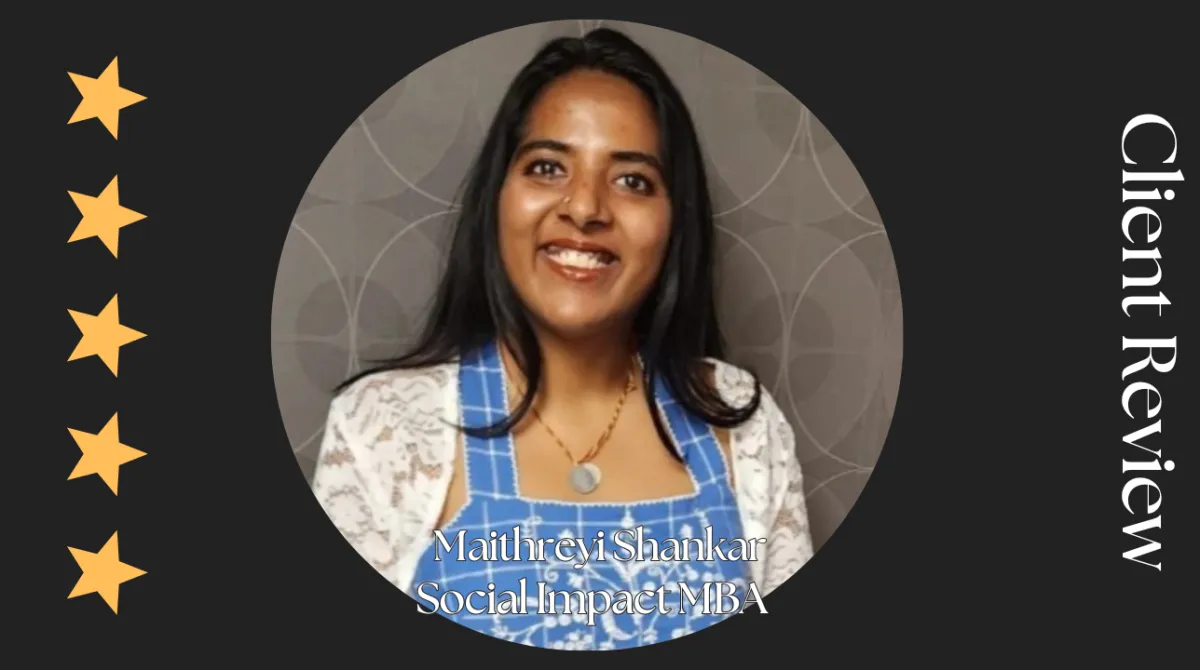
"Redefined success
on my own terms"
Within months, I went from being unsure and stuck to landing the opportunity I really wanted. Asia helped me define success and make it real.
SIGN UP FOR OUR FREE WEEKLY NEWSLETTER
How you lead matters.
Sign up for our Skip Level Strategies newsletter, where every Sunday you'll start your week with a practical 5-minute perspective shift and action to bring your leadership, decision-making, and communication to the next level.
PAST NEWSLETTERS

Issue 52: How to give feedback that actually works
Issue 52: How to give feedback that actually works
"Feedback is the breakfast of champions."
— Ken Blanchard
Happy New Year! I wanted to start the year by talking about giving feedback—it’s one of those things every leader has to do, but let’s be honest, it’s not always easy. Most of the time, feedback either lands wrong and creates drama and defensiveness, or it’s so vague that it doesn’t even help anyone improve.
So if there's one thing to remember when it comes to giving feedback, it's that it isn't about being critical (which we're naturally all predisposed to) it’s about helping your team grow, align so they all have the same understanding, and deliver their best work. When it's done with those objectives in mind, feedback, even when it feels uncomfortable, can transform how your team performs and how they feel about their work.
Here’s what happens when feedback goes wrong:
People shut down: If feedback feels harsh or personal, it can trigger defensiveness, making it hard for the message to sink in. (My paperwork is not ALWAYS late, that's ridiculous!)
Nothing changes: Without clarity or actionable steps, feedback doesn’t lead to improvement—it just creates frustration. (They wanted the message to be more concise, but now it's TOO concise? What?!!!)
Trust erodes: If feedback feels inconsistent or unfair, it can damage the relationship between you and your team member. (Why didn't you call out Jasmine when SHE swapped shifts last week?!)
The good news? Feedback doesn’t have to feel like pulling teeth.
What you can do instead:
Be specific and timely:
Vague feedback like “You need to communicate better” doesn’t help anyone. Instead, focus on specific behaviors and examples, and address them as close to the event as possible.
Example: “In yesterday’s meeting, I noticed you interrupted Sarah a few times. How can you make more space for others to share their ideas?”
Focus on the behavior, not the person:
Feedback should never feel like a personal attack. Frame it around the specific behavior and the impact, not the individual’s character.
Example: Instead of “You’re not a team player,” try “When you didn't invite the team’s input on that decision, it caused confusion. Let’s discuss how we can collaborate more effectively next time.”
Balance the positive and the constructive:
While it’s important to address areas for improvement, don’t forget to highlight what’s working well. Balancing positive reinforcement with constructive feedback helps build trust and keeps motivation high.
Quick tip: Aim for three positive comments for every piece of constructive feedback. This will make you intentional about catching your team winning.
Create a back-and-forth dialogue:
Feedback shouldn’t be a one-way street. Invite the other person to share their perspective and ideas for improvement. It turns the conversation into a collaborative effort instead of a one-way lecture.
Try this: “How do you think we can address this moving forward?”
Going back to where we started, giving feedback isn’t just about correcting mistakes—it’s about building trust, fostering growth, and helping your team become the best version of themselves. And when you approach it with clarity, respect, and collaboration, it becomes a tool that strengthens your leadership and your team.
If giving feedback feels like a challenge, let’s connect. Schedule a consultation, and I’ll help you create a feedback approach that works for you and your team.
Next week's preview:
Next week, we’ll explore what's really at the center of most leadership problems. Until then, what’s one piece of feedback you’ve been avoiding giving? How can you address it constructively this week?
Go out there and lead,
Asia

Bridgewell LLC - Strategy and Leadership